Betting Beyond Borders: How South Asian Diaspora Communities Are Quietly Transforming America's Online Gaming Scene
Betting Beyond Borders: How South Asian Diaspora Communities Are Quietly Transforming America's Online Gaming Scene
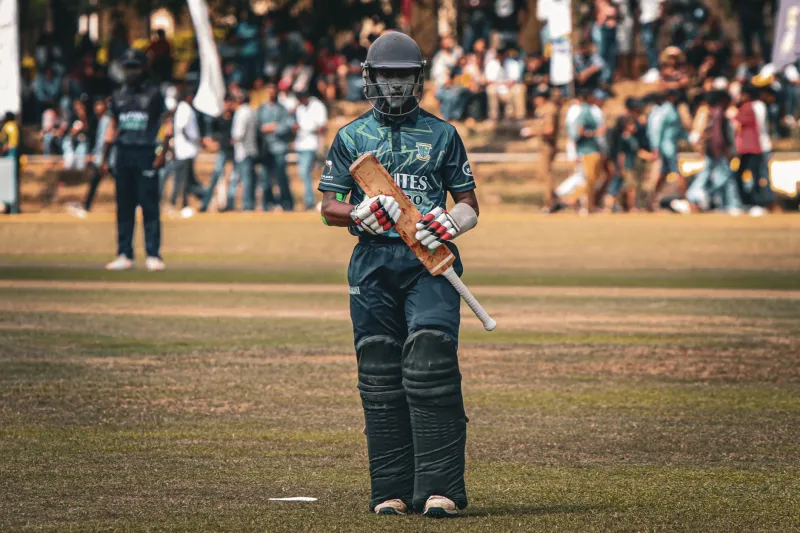
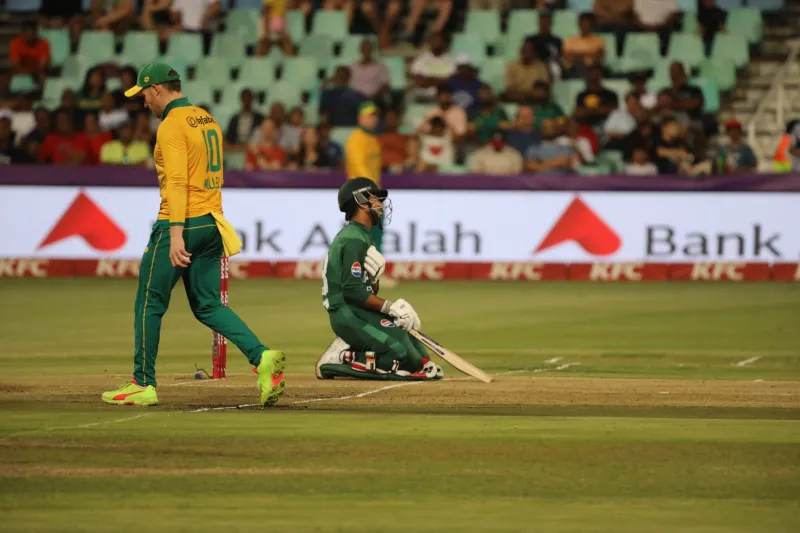
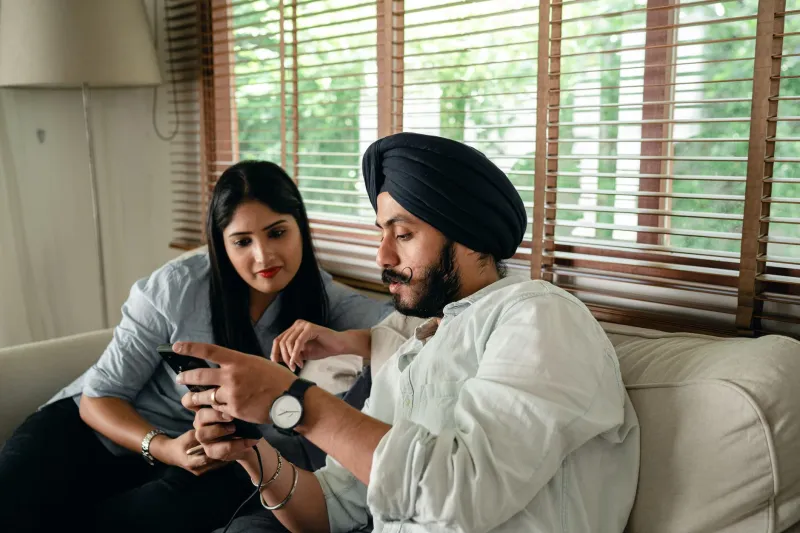
Walk into any cricket watch party in Fremont, California or Edison, New Jersey on a PSL matchday, and you'll notice something interesting happening on people's phones. They're not pulling up DraftKings or FanDuel. They're on platforms built for them — platforms that understand the difference between a duckworth-lewis method and a dead ball, and that accept payment methods their American-born neighbors have never heard of.
This isn't a niche story anymore. It's a market shift, and it's accelerating.
The Numbers Behind the Movement
The South Asian American population has crossed the five million mark and continues to grow at one of the fastest rates of any demographic in the country. Pakistani Americans alone number somewhere between 500,000 and one million, depending on the methodology, and they're concentrated in major metro areas — Houston, New York, Chicago, Dallas, and the Bay Area chief among them. Add in Indian Americans, Bangladeshi Americans, and Sri Lankan Americans, and you're looking at a culturally interconnected community with serious purchasing power.
What makes this group particularly interesting from a gaming market perspective isn't just the size. It's the behavior. Research consistently shows that diaspora communities maintain strong ties to the sports, entertainment, and cultural touchstones of their home countries. For South Asians, that means cricket isn't just a sport they used to watch back home — it's a live, ongoing obsession that spans generations and time zones.
And where there's passion, there's wagering.
What Mainstream US Sportsbooks Keep Getting Wrong
Here's the honest problem with most American sportsbooks: they were built for American sports fans. That sounds obvious, but the implications run deep. The betting markets are structured around the NFL, NBA, MLB, and college sports. Cricket lines — when they appear at all — are sparse, poorly updated, and often limited to major ICC tournaments. The Pakistan Super League? The Bangladesh Premier League? Good luck finding competitive odds on those at your average US-facing book.
Payment infrastructure is another friction point that rarely gets discussed in mainstream gaming coverage. A significant portion of the South Asian American community either prefers or actively uses payment methods like Easypaisa, JazzCash, or regional banking systems that connect back to family networks abroad. Many also conduct transactions in ways that reflect remittance habits — moving money fluidly between accounts tied to different countries. Legacy US sportsbooks weren't built with this financial reality in mind.
Then there's the language and cultural dimension. Marketing that resonates with a Pakistani American bettor in his thirties who grew up watching Wasim Akram bowl looks completely different from a Super Bowl ad targeting a 28-year-old in suburban Ohio. The references, the humor, the sports knowledge assumed — all of it differs. Platforms that understand this aren't just translating content; they're building an entirely different user experience.
The Platform Advantage: Why MostBet PK Sits at an Interesting Crossroads
This is where platforms like MostBet PK have a structural edge that's easy to underestimate. Having been built with Pakistani and South Asian markets in mind from the ground up, the platform isn't retrofitting cricket coverage or bolting on regional payment options as an afterthought. The architecture starts from a different assumption — that the user understands cricket at a granular level, values culturally familiar interfaces, and expects wagering markets that reflect the actual sporting calendar of South Asia.
For US-based players with South Asian backgrounds, that's not a small thing. It's the difference between a platform that tolerates your interests and one that was designed around them.
The growing American expat community — Pakistani professionals, students, and long-term residents who maintain active connections to life back home — represents exactly the kind of user who benefits most from this approach. They're digitally sophisticated, comfortable with online transactions, and genuinely engaged with the sports these platforms cover best.
Demographic Tailwinds That Aren't Going Away
Several macro trends are reinforcing this shift simultaneously. First, the continued expansion of legal online sports betting across US states means more Americans are entering the digital wagering ecosystem for the first time. South Asian Americans who might have avoided online gaming due to regulatory uncertainty are now finding clearer pathways to participate.
Second, the rise of streaming has made international cricket more accessible than ever for diaspora fans. When a Pakistani American in Houston can watch PSL matches live on his phone at 9 AM local time, the connection to that sporting world stays vivid. That engagement translates directly to betting interest.
Third — and this is underappreciated — the second generation is coming of age. The children of immigrants who arrived in the 1990s and 2000s are now in their twenties and thirties. Many of them grew up with cricket in the household and carry that passion forward, often with more disposable income than their parents had at the same age.
What This Means for the Broader Market
The mainstream US gaming industry will eventually catch up. The economics are too compelling to ignore forever. But right now, there's a meaningful window where platforms that already understand these communities have a genuine first-mover advantage.
The South Asian diaspora isn't a monolith, and smart operators know that. Pakistani American bettors have distinct preferences from Indian American bettors. Regional cricket loyalties matter. Payment preferences vary by generation and income level. The platforms that invest in understanding these nuances — rather than treating the entire community as a single checkbox — will be the ones that build lasting loyalty.
For now, the watch parties in Fremont and Edison will keep happening. The phones will keep coming out. And the platforms built for those moments will keep quietly gaining ground on the ones that never noticed the opportunity in the first place.